
Introduction
Automotive manufacturing operates at a scale and complexity few industries can match. A single assembly line coordinates thousands of parts, hundreds of suppliers, and dozens of synchronized processes, all moving toward strict takt times and zero-defect standards. Yet despite this orchestration, many plants still operate with fragmented visibility, relying on shift reports, manual logs, and delayed feedback that obscure what’s happening on the floor.
When production data arrives hours late, issues that could have been resolved in minutes cascade into line stoppages, quality escapes, and missed production targets.
This is where real-time production visibility transforms automotive operations from reactive firefighting to proactive control.
Seeing the Entire Line, All at Once
Modern automotive plants generate massive amounts of data from robotic welders, stamping presses, paint booths, torque tools, and vision systems. But when this data remains trapped in isolated controllers or legacy databases, plant managers lose the ability to respond dynamically to disruptions.
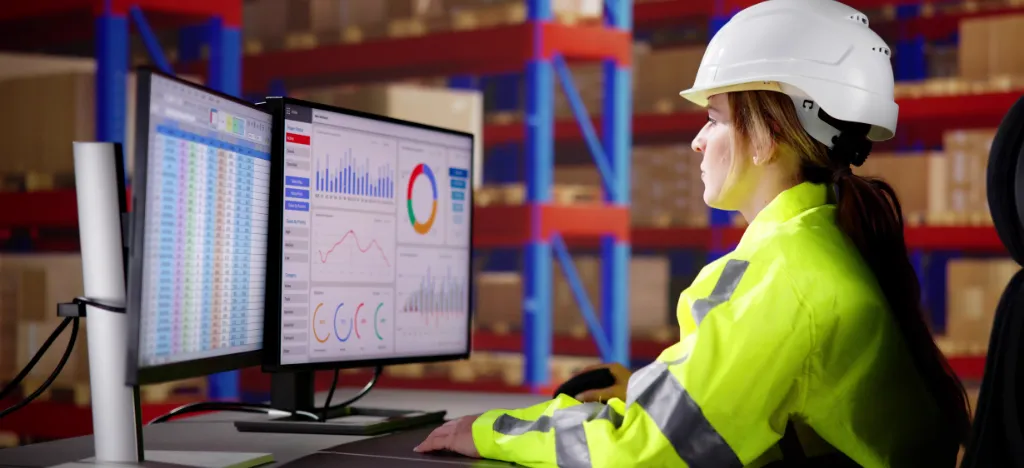
Vistrian FactoryLOOK connects directly to equipment across body shops, paint lines, and final assembly, capturing cycle times, station status, quality measurements, and throughput metrics in real time. This unified view eliminates blind spots, giving operators and supervisors instant clarity on performance, bottleneck locations, and emerging deviations.
Instead of discovering a workstation slowdown during end-of-shift review, teams see it immediately and adjust staffing, reroute work, or dispatch maintenance before the issue impacts hourly output.
From Line Stops to Line Flow
In automotive production, unplanned downtime doesn’t just affect one station; it ripples across the entire line. A jammed fixture, a vision system error, or a torque tool failure can halt dozens of downstream operations within minutes.
- Equipment alerts: automated notifications when machines go offline or cycle times exceed thresholds
- Andon integration: instant escalation of quality or material issues directly from the line
- OEE tracking: live monitoring of availability, performance, and quality losses across all stations
- Downtime categorization: real-time classification of stops by root cause, enabling targeted improvement efforts
With this level of insight, maintenance teams arrive with the right tools and parts, quality engineers identify defect sources before hundreds of units are affected, and production planners adjust schedules dynamically to protect daily targets.
Quality Built In, Not Inspected Later
Automotive quality standards leave no room for error. A single torque deviation, paint thickness variance, or dimensional mismatch can trigger costly recalls or warranty claims. Traditional quality inspection catches these issues after assembly, when rework is most expensive and time-consuming.
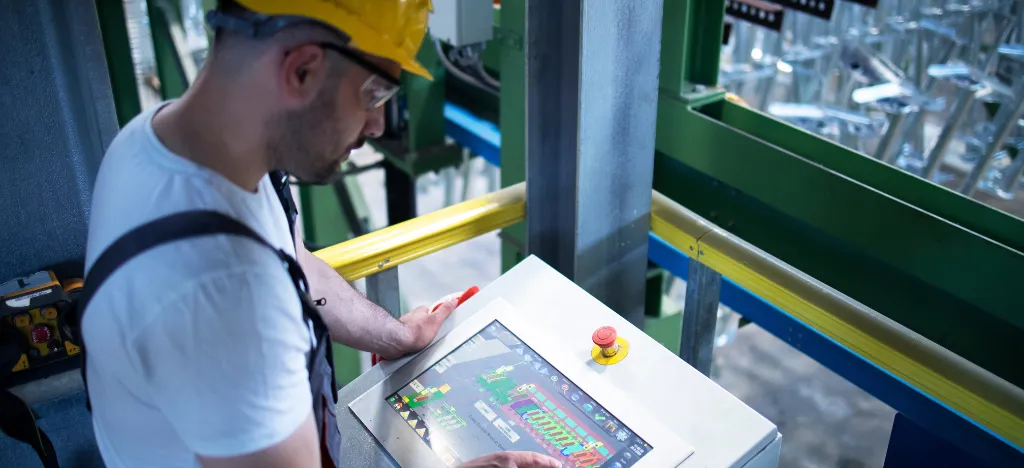
Vistrian’s real-time SPC, integrated with VistrianMES, embeds quality monitoring directly into production workflows. Torque data, weld parameters, and measurement results flow continuously into control charts, flagging deviations the moment they occur. When a process drifts toward specification limits, the system alerts operators immediately and can even prevent non-conforming parts from advancing to the next station.
This inline quality control reduces scrap, eliminates end-of-line surprises, and ensures every vehicle meets specifications before it leaves the factory floor.
Traceability That Moves as Fast as the Line
Automotive manufacturers face increasingly strict traceability requirements, driven by safety regulations, warranty management, and supply chain accountability. Tracking which components went into which vehicle, when they were installed, and by whom is essential, but manual documentation creates delays and errors.
VistrianMES automates full genealogy tracking, capturing part serial numbers, batch codes, supplier information, and process parameters at every assembly step. If a supplier recall occurs or a quality issue emerges in the field, manufacturers can instantly identify affected vehicles and trace the root cause back to specific materials, equipment, or shifts.
This digital traceability not only satisfies regulatory requirements but also accelerates root-cause analysis and protects brand reputation by enabling precise, targeted responses to quality events.
Scaling Visibility Across Multi-Plant Operations
Automotive manufacturers rarely operate single-site facilities. Managing consistency across multiple assembly plants, each with different equipment vintages, layout configurations, and local practices, creates visibility challenges that traditional systems struggle to address.
Vistrian’s cloud-enabled architecture scales seamlessly across plants, providing corporate teams with standardized dashboards and KPIs while allowing site-level customization. Production managers compare OEE across facilities, identify best practices, and replicate improvements systematically. When one plant optimizes a process or resolves a recurring issue, that knowledge becomes immediately accessible to others.
The Road to Autonomous Production
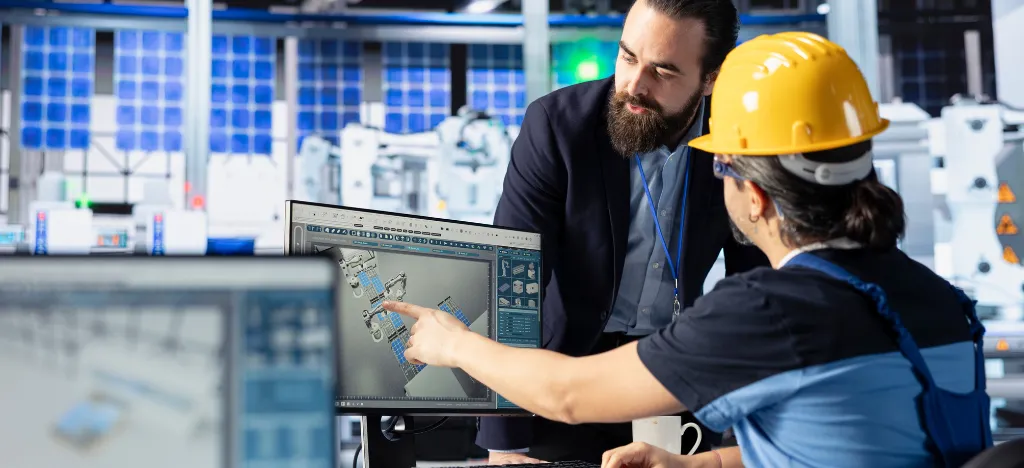
Real-time production visibility isn’t the end goal; it’s the foundation for the next evolution in automotive manufacturing. As plants layer predictive analytics, AI-driven optimization, and adaptive scheduling onto their real-time data infrastructure, operations move from manual oversight to intelligent automation.
Vistrian’s integrated platform, spanning equipment connectivity, MES execution, quality management, and predictive maintenance, provides the architecture needed to scale from visibility to autonomy. Lines adjust automatically to demand changes, equipment schedules its own maintenance, and quality systems adapt parameters in real time to maintain consistency.
Built for Speed, Designed for Precision
In automotive manufacturing, where every second of cycle time and every unit of quality determines competitiveness, real-time production visibility powered by Vistrian eliminates delays, prevents disruptions, and ensures every line operates at peak efficiency. By connecting equipment, operators, and systems into a single, responsive platform, manufacturers transform fragmented operations into synchronized, data-driven production that delivers results, shift after shift, plant after plant.