Predictive Maintenance ROI: Cut Downtime & Costs Img

Predictive Maintenance ROI: Cut Downtime & Costs

Introduction

Unexpected equipment failures can bring manufacturing operations to a standstill. A single breakdown can lead to unplanned downtime, higher maintenance costs, production delays, and lost output.  

Predictive maintenance changes this approach by using equipment data, condition monitoring, and predictive analytics to identify potential failures before they disrupt operations. 
Predictive Maintenance ROI: Cut Downtime & Costs Img

From Reactive Maintenance to Predictive Action

Traditional maintenance often follows fixed schedules or responds after a machine fails.  
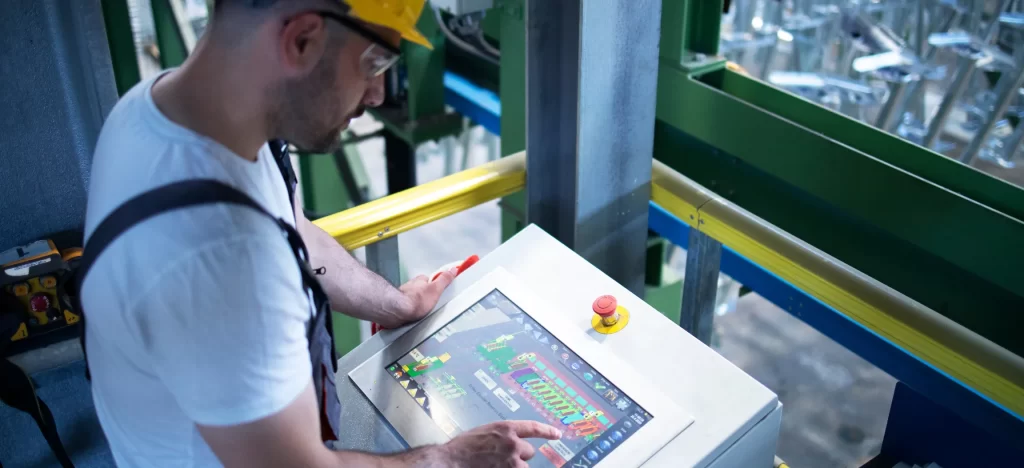
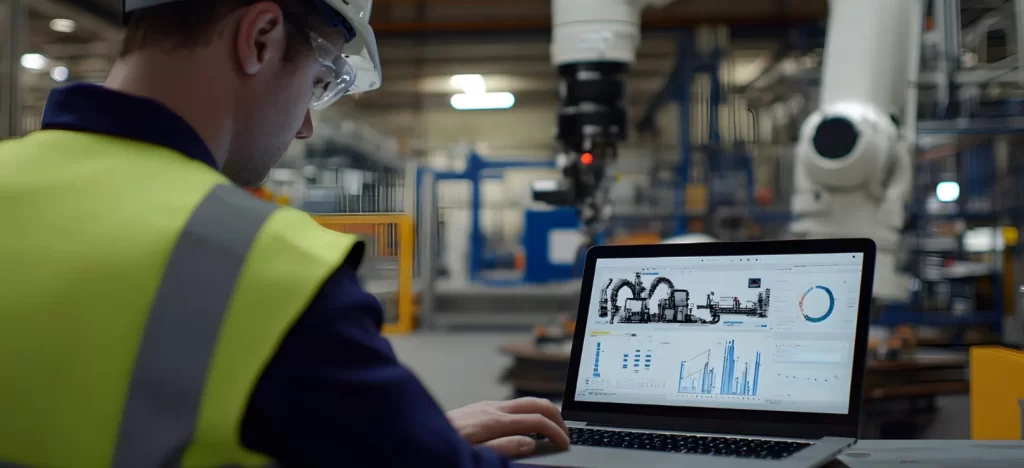
Predictive maintenance takes a different approach. Sensors and connected systems continuously monitor equipment conditions such as vibration, temperature, pressure, and performance.  
 
This data helps identify early signs of wear or abnormal behaviour. Instead of waiting for equipment failure, maintenance teams can determine when intervention is actually required.  
 
The result is a shift from reactive repairs to proactive, data-driven maintenance.
Predictive Maintenance ROI: Cut Downtime & Costs Img

Reducing Downtime Before It Impacts Production

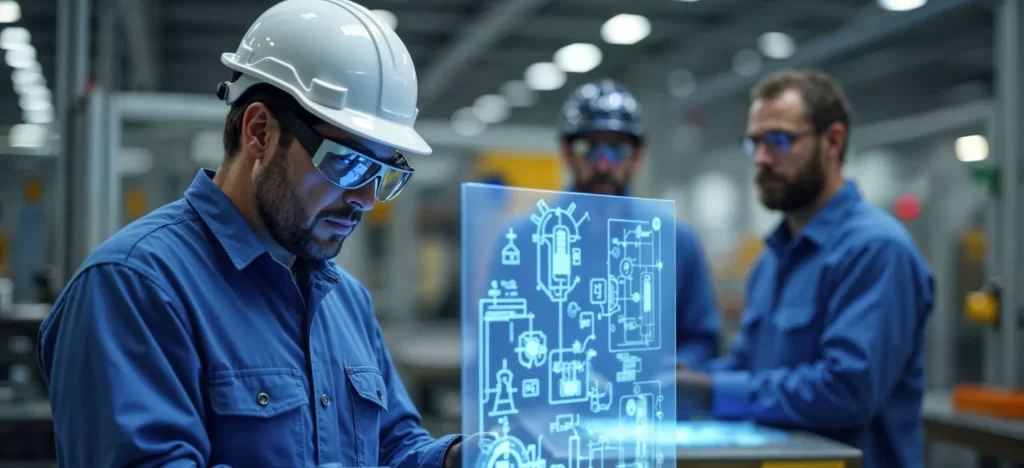
Predictive maintenance helps in detecting equipment anomalies.

This helps manufacturers:  

  • Detect potential failures earlier   
  • Reduce unplanned machine downtime   
  • Plan maintenance activities more effectively   
  • Minimize production disruptions   

Rather than reacting to breakdowns, teams can act before they escalate.  
Predictive Maintenance ROI: Cut Downtime & Costs Img

Lowering Maintenance Costs

Predictive maintenance can also change how maintenance budgets are managed.  

Scheduled maintenance can result in components being replaced before they break down, while reactive maintenance can involve emergency repairs, replacement parts, and extended downtime.  

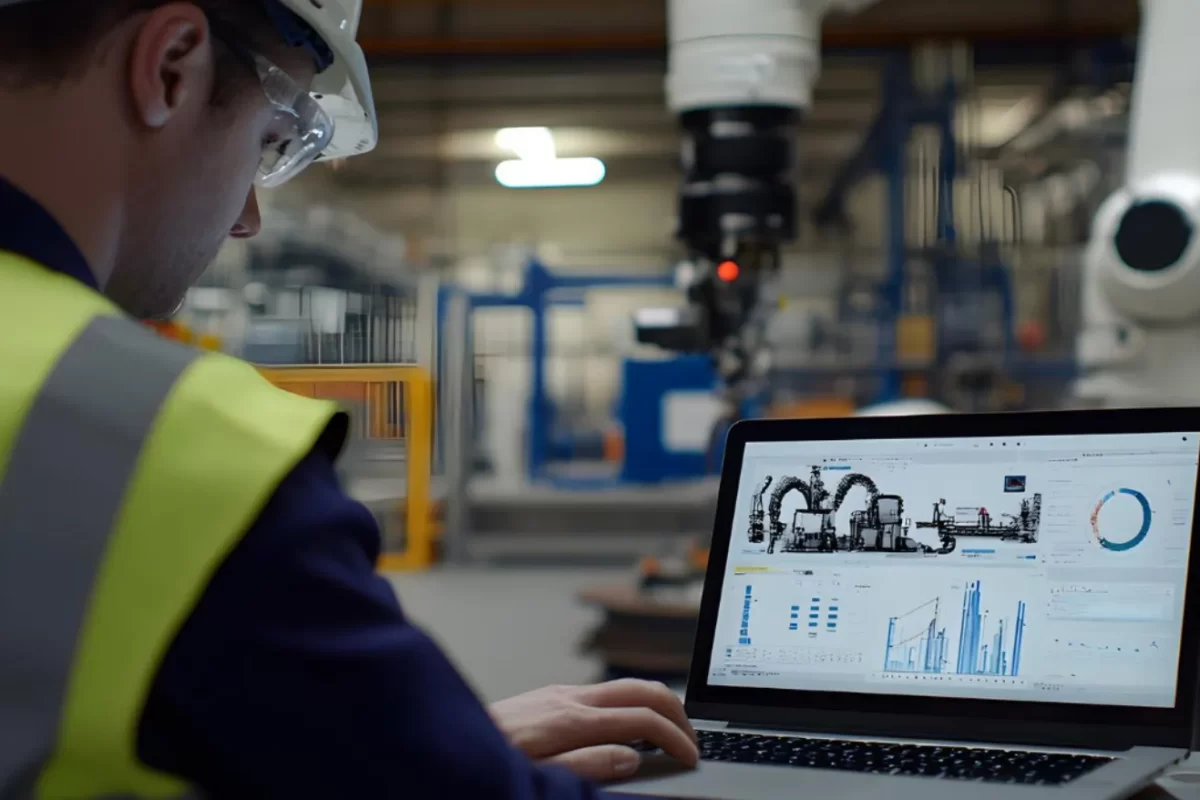
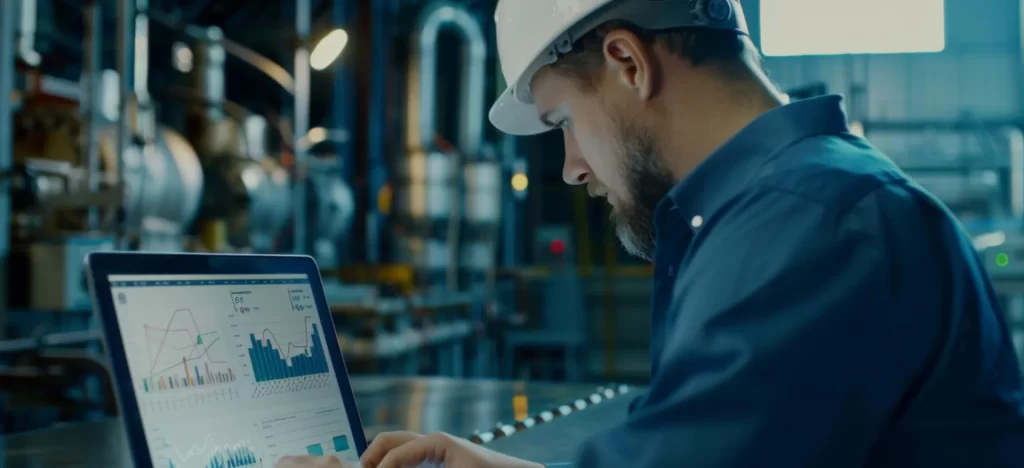
By using predictive maintenance analytics to understand equipment condition, manufacturers can make maintenance decisions based on actual machine performance.  

This enables more targeted interventions, better resource utilization, and maintenance cost reduction over time.  

Building a More Resilient Manufacturing Operation

Predictive maintenance ultimately makes maintenance more intelligent and manufacturing operations more resilient.  

With platforms like Vistrian bringing together equipment data, monitoring, and analytics, manufacturers can move from responding to equipment failures to anticipating them.

The result is greater visibility, fewer disruptions, optimized maintenance, and a stronger foundation for predictive maintenance of ROI.

Explore more on Vistrian Blogs. 
From Reactive to Predictive Maintenance: Improving Uptime and Efficiency Img

From Reactive to Predictive: How Maintenance Strategy Changes Everything

Introduction

In most manufacturing environments, maintenance is still driven by events, not insight.  

A breakdown triggers action. A schedule dictates intervention. Decisions are made based on past incidents rather than current conditions.  

On the surface, this approach keeps operations running. But underneath, it creates inefficiencies, unnecessary maintenance, unexpected failures, and limited control over asset performance.  

From Reactive to Predictive Maintenance: Improving Uptime and Efficiency Img

The Limits of Fixing After Failure

Reactive maintenance is built around response. Predictive maintenance begins with visibility.  

When equipment data is continuously captured, patterns start to emerge. Subtle changes in vibration, temperature, or performance indicate wear long before failure occurs.  

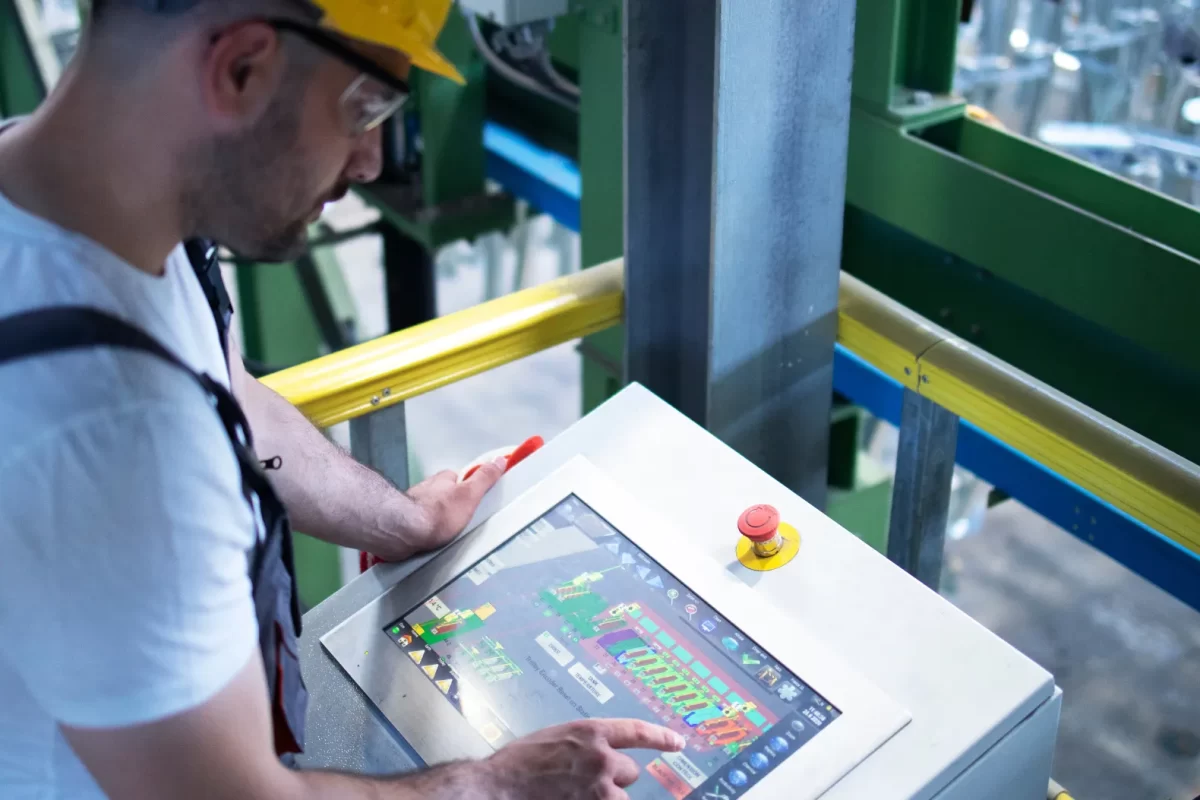
Platforms like Vistrian FactoryLOOK bring this data together, providing a real-time view of machine health across the shop floor. Instead of relying on periodic checks, teams gain continuous insight into how equipment is performing.  

This is where maintenance starts to shift, from assumption to awareness.  

From Signals to Action

Data alone doesn’t prevent downtime. What matters is how it is used.  

With predictive systems, early warning signals trigger timely action. Maintenance teams can prioritize interventions based on actual equipment condition, rather than fixed intervals or emergency breakdowns.  

The result is a more controlled and coordinated approach to maintenance.

From Reactive to Predictive Maintenance: Improving Uptime and Efficiency Img

Stability Becomes the New Efficiency 

Predictive maintenance doesn’t just reduce failures, it stabilizes operations.  

When equipment runs within optimal conditions:  

  • Production becomes more consistent  
  • Quality variations decrease  
  • Downtime becomes less frequent and less disruptive 

Risks are anticipated and managed before they impact output.  

From Reactive to Predictive Maintenance: Improving Uptime and Efficiency Img

A Different Way to Run Operations

The shift from reactive to predictive maintenance is not just technical, it’s operational.  

Decisions are no longer driven by urgency, but by insight. Maintenance becomes part of a continuous improvement cycle rather than a response function.  

 Over time, this changes how teams plan, prioritize, and execute work across the plant. 

From Maintenance to Advantage

The real impact of predictive maintenance lies in what it unlocks: lower costs, higher uptime, and more reliable operations.  

Vistrian FactoryLOOK brings machine data, analytics, and operations into a single, intelligent view, maintenance shifts from reactive response to predictive control. Teams gain the clarity to act before failures occur, optimize asset performance, and turn maintenance into a strategic advantage that drives uptime, efficiency, and long-term reliability.  

In that shift, maintenance stops being a cost centre and becomes a source of control, efficiency, and long-term advantage.  

How IoT Improves Food Safety and Cold Chain Traceability Img

How IoT Improves Food Safety and Cold Chain Traceability

Introduction

Food safety failures usually begin along the supply chain: a delayed shipment, a temperature fluctuation, a storage inconsistency that goes unnoticed. 

By the time the issue is discovered, the damage is done. This is where IoT is changing how food safety and traceability are managed: not by adding more checks, but by making the entire system continuously visible.

How IoT Improves Food Safety and Cold Chain Traceability Img

From Traceability to Continuous Tracking

Cold chains are complex by design. Products move across multiple environments, processing units, storage facilities, transport networks, and distribution points.  

Traditionally, visibility across this journey has been limited. Data is recorded at intervals, often manually, leaving gaps between checkpoints. 

IoT closes these gaps. Sensors placed across the supply chain continuously capture temperature, humidity, and environmental conditions. Instead of snapshots, businesses gain a live, uninterrupted view of product movement and storage conditions. If a deviation occurs, it is immediately visible, along with its exact location and context.  

This allows teams to isolate risks, take corrective action, and prevent compromised products from moving further along the chain. 

Traceability is no longer about looking back, it’s about maintaining control in the present.

How IoT Improves Food Safety and Cold Chain Traceability Img

Strengthening Food Safety at Every Stage

Food safety depends on consistency. 

With IoT-enabled monitoring: 

  • Temperature excursions are detected instantly
  • Storage conditions remain continuously validated 
  • Risks are identified before they escalate 

This reduces reliance on manual intervention and minimizes the chances of human error. Instead of periodic assurance, food safety becomes a continuously managed process.

How IoT Improves Food Safety and Cold Chain Traceability Img

Building Trust Through Transparency

Food safety is about trust. Consumers, regulators, and partners increasingly expect transparency across the supply chain. With IoT data, you have a verifiable record of how products were handled, stored, and transported. 

This level of transparency strengthens compliance, simplifies audits, and builds confidence across stakeholders. 

A Smarter, Safer Supply Chain

With platforms like Vistrian connecting IoT data across storage, transport, and distribution into a unified, intelligent system, food safety and traceability move from fragmented checkpoints to continuous control.  

Teams gain real-time visibility into every stage of the supply chain, enabling faster decisions, stronger compliance, and a more resilient cold chain built on transparency and trust.

Cold Chain Monitoring for Food & Beverage: Why Real-Time Visibility Matters Img

Cold Chain Monitoring for Food & Beverage: Why Real-Time Visibility Matters

Introduction

What does effective cold chain monitoring actually look like for food and beverage companies? 

Temperature control has long been a requirement of food and beverage manufacturing, yet many operations still rely on periodic checks, siloed systems, and delayed reporting. Upgrades to continuous monitoring and real-time visibility seem complex and the value of real-time systems isn’t always immediately clear. 

But the companies asking this are often the same ones dealing with product spoilage, inconsistent quality, and operational blind spots that impact profit margins daily. 

Enabling real-time visibility across the cold chain transforms food and beverage manufacturing, bringing operations into Industry 4.0.

Cold Chain Monitoring for Food & Beverage: Why Real-Time Visibility Matters Img

Visibility Protects Product Integrity

The foundation of modern cold chain monitoring is real-time visibility. Cold chain failures are rarely sudden; they build over time. 

A minor fluctuation during transit or gradual equipment inefficiency can escalate into significant spoilage if left undetected.  

Traditional systems depend on manual logs or delayed data, making it difficult to detect temperature excursions when they occur. And limited visibility often leads to overcooling, energy waste, and undetected equipment inefficiencies. 

Real-time insights enable instant alerts when conditions move outside of defined thresholds, reduce energy consumption, and maintain consistent conditions without excess cost. Efficiency improves without compromising quality.

Cold Chain Monitoring for Food & Beverage: Why Real-Time Visibility Matters Img

Connected Operations, Unified Control

Traditional cold chains operate in silos, with disconnected systems across storage, transport, and monitoring. 

With an integrated platform, data from sensors and equipment is consolidated into a single interface, enabling faster decisions and better coordination across teams. 

Traceability Strengthens Compliance

Food safety regulations demand consistent control and documentation. Manual processes often result in gaps, incomplete records, and extra work down the road when audits occur. 

Digital monitoring creates a continuous record of conditions across the supply chain. Every data point is captured, ensuring transparency, simplifying audits, and strengthening compliance without adding operational complexity.

Cold Chain Monitoring for Food & Beverage: Why Real-Time Visibility Matters Img

Cold Chain Monitoring: A Competitive Advantage

The value of real-time visibility is measured in outcomes like reduced waste, consistent quality, stronger compliance, and lower costs. In an industry where product integrity is critical, real-time visibility isn’t an optional upgrade, it’s the necessary foundation of reliable, high-performing operations.  

Vistrian can help your food and beverage manufacturing operation connect storage, transport, and monitoring into a single, intelligent system, moving cold chain operations into a state of continuous control. Teams gain the ability to act in real time, protect product integrity, and turn visibility into a reliable advantage across the supply chain.  

Resource Hub