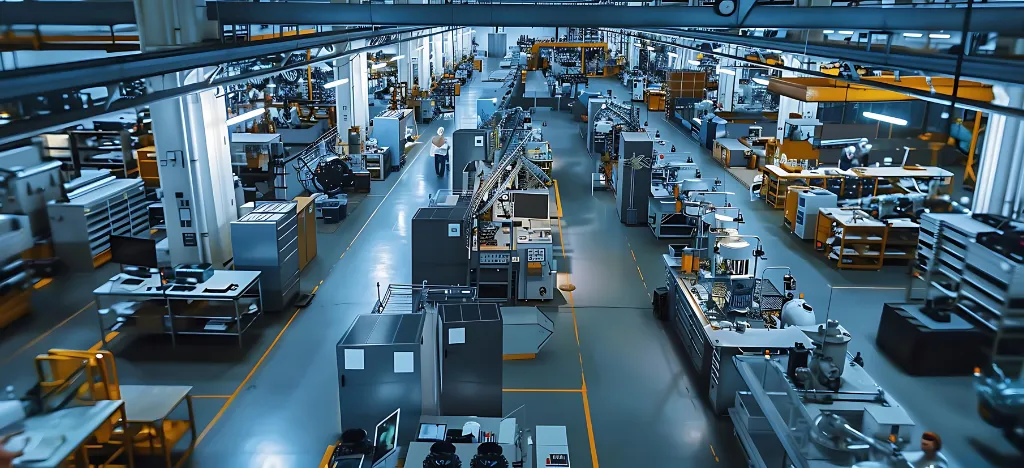
Smart Dashboards: Complete View for Plant Performance Image

How Do Smart Dashboards Improve Plant Performance?

Introduction

Manufacturers are adopting connected technologies that shrink the gap between signal and response. All the activity on the factory floor is captured in a single flow, making it easier to see and act. Smart dashboards turn that flow into a clear picture, highlighting what is steady, what is drifting, and what needs action now.

In this blog, we explore how smart dashboards improve plant performance and how it benefits the factory floor and the manufacturers together.

Smart Dashboards: Complete View for Plant Performance Image

How do smart dashboards deliver real-time visibility and early action?

Smart dashboards turn scattered signals into a single, live picture of the plant. Teams see KPIs at machine, line, and site level in one place, so gaps and drifts are easy to spot. When performance slips, the system highlights the anomaly and shows likely causes. Everyone works from the same view, which improves handoffs and speed.

With Industrial IoT data and AI analytics, alerts arrive before small issues become downtime. Thresholds, trends, and patterns point to early fixes and support predictive maintenance. Manufacturers can assign owners, add due dates, and track progress inside the dashboard.

Do smart dashboards improve quality while cutting costs?

Smart dashboards lift throughput by keeping the bottleneck in plain sight. Teams see which machine is slowing the shift and can rebalance work, shorten changeovers, and avoid downtime. Live OEE makes priorities obvious, so supervisors can act quicker. The result is steadier flow and fewer surprises.

This improves quality while reducing costs. Smart dashboards reveal waste hotspots, guiding small adjustments that add up. These gains compound over time, turning digital transformation into measurable results.

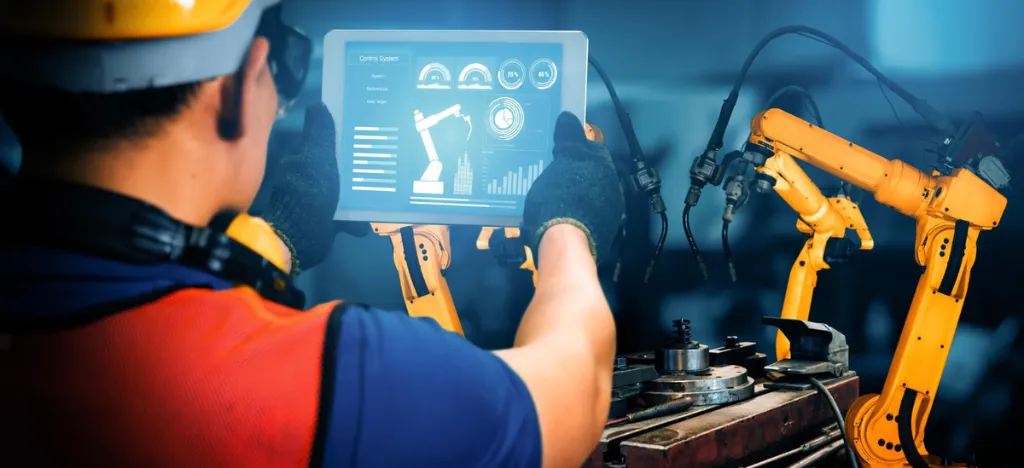
Smart Dashboards: Complete View for Plant Performance Image

How do Vistrian tools improve plant performance?

Vistrian’s suite of tools connects machines, people, and decisions so data turns into timely action on the floor. Vistrian FactoryLOOK converts machine and sensor signals into a clean, live view at machine, line, and plant level. Smart dashboards surface bottlenecks and anomalies as they form.

VistrianMMS keeps maintenance organized and on schedule. Alerts flow into work orders with owners, due dates, and parts lists. Manufacturers can follow clear checklists, and close tasks faster, which cuts unplanned downtime and extends asset life.

VistrianMES provides real-time work-in-progress and traceability. It enforces standard workflows and records quality checks. Supervisors can see the next step and keep production on track.

Smart Dashboards: Complete View for Plant Performance Image

Conclusion

Smart dashboards bring the floor into focus. By unifying data and applying analytics, they move teams from reactive actions to predictable operations. In the long run, these capabilities will sustain continuous improvement and make performance gains repeatable across lines and sites resulting in a scalable manufacturing system.

Vistrian Analytics vs GE Predix: Real-Time vs Predictive Analysis Img

Vistrian Analytics vs GE Predix: Real-Time vs Predictive Analysis

Introduction

In modern manufacturing, anticipating problems before they happen is critical. Downtime, quality deviations, or supply chain bottlenecks can derail schedules and increase costs. 

Here is a factual comparison between two industrial analytics: GE Predix, a cloud-based predictive platform, and Vistrian Analytics, the predictive and AI-driven analytics feature within FactoryLOOK. Both harness data to improve operational efficiency, but their methods, speed, and focus differ. 

This comparison helps manufacturers understand which approach best fits their shop-floor needs and predictive maintenance strategy.

1. Predictive Analytics Approach

Before deciding which predictive analytics solution to adopt, it’s essential to
understand how each platform gathers, processes, and translates data into actionable insights. Different approaches
have different strengths depending on the needs of your factory. 

Some features, like Vistrian Analytics within FactoryLOOK, are designed to deliver real-time, actionable intelligence directly to
the shop floor, allowing operators and supervisors to respond instantly to anomalies, quality deviations, or
equipment issues. Here is the detailed comparison to help manufacturers make the right choice: 

AspectVistrian Analytics (FactoryLOOK)GE Predix
Data TypeReal-time machine and process data from the shop floor Cloud-aggregated historical and near-real-time data
Focus Immediate detection of performance anomalies, process deviations, and quality trends Long-term trend analysis, forecasting asset failures, and predictive maintenance planning
Actionability Operators and supervisors can act instantly to prevent downtime or defects Recommendations often require planning cycles and technical interpretation
Integration Embedded within FactoryLOOK; integrates directly with production data and dashboards Requires connection to machines via gateways and cloud integration; may need developer support
Vistrian Analytics vs GE Predix: Real-Time vs Predictive Analysis Img

2. Speed of Insights

Understanding how quickly predictive insights translate into action is critical for factories where every second of downtime or quality deviation can affect productivity and profitability. On fast-moving production floors, delays in response can lead to extended downtime, increased scrap, or missed delivery schedules.
For manufacturers, understanding this real-time versus delayed response distinction is key to choosing the right analytics approach for their operational priorities. Here is the detailed comparison:

AspectVistrian Analytics (FactoryLOOK)GE Predix
Analysis TimingLive, real-time insights as production occurs Analysis occurs in the cloud; latency depends on data upload and processing
Response Immediate alerts for anomalies, quality shifts, and equipment behavior Predictive alerts generated based on historical patterns and models
Ideal Use Case Fast-paced discrete manufacturing, high-frequency monitoring Enterprise-scale predictive planning and multi-site maintenance strategy
Vistrian Analytics vs GE Predix: Real-Time vs Predictive Analysis Img

Shop-Floor Impact

  • Vistrian Analytics empowers teams to spot root causes instantly, minimize defects, and maximize uptime using AI-driven insights directly from FactoryLOOK dashboards.
  • GE Predix provides strategic foresight, helping engineers and managers plan maintenance, optimize asset performance, and forecast failures but typically does not deliver live, actionable shop-floor alerts.

Vistrian Analytics vs GE Predix: Real-Time vs Predictive Analysis Img

Choice Depends on Your Needs

If your priority is real-time preventive action and operational clarity on the floor, Vistrian Analytics within FactoryLOOK is ideal. It turns live machine and process data into immediate, actionable insights. 

Understanding the distinction between real-time predictive insights and cloud-based predictive planning ensures manufacturers select the approach that truly drives uptime, quality, and efficiency.

CMMS Showdown: Vistrian vs Limble vs Fiix Img

CMMS Showdown: Vistrian vs Limble vs Fiix

Introduction

On a busy factory floor, maintenance can’t rely on memory or spreadsheets. There is a need for a dedicated platform that centralizes assets, schedules preventive work, and tracks spare parts to keep machines available and safe. These platforms are known as Computerized Maintenance Management Systems (CMMS). It powers real-time work orders and alerts, so teams respond faster, prevent breakdowns, and control costs..  

Through this blog, compare the CMMS designed by Vistrian, Limble and Fiix, to understand what matters on the floor and after the system is implemented.  

Everyday usability and ease

A modern CMMS should be straightforward from day one. When technicians can locate jobs,
record work, and submit approvals without navigating complex menus, adoption improves, data quality rises, and
resolution time shrinks. 

Usability also means aligning with real operations. Clear screens, minimal clicks, and
access on the shop floor keep work moving. Equally important is an IT fit that respects plant policies, so teams
move from using the system to relying on it. 

Features VistrianMMS Limble CMMSFiix CMMS
DeploymentCloud or on premises. Sign in via a web browser on phones/tablets Through cloud Through cloud
Mobile accessUse on any mobile web browser App with optional offline mode App with optional offline mode
Calibration Built-in calibration tracking Calibration can be scheduled through workflows Calibrations scheduled via scheduled maintenance
Parts TrackingEnables parts tracking and spare parts management Supports spare parts inventory with barcode scan QR to find and check out spares
CMMS Showdown: Vistrian vs Limble vs Fiix Img

Preventing Breakdowns with Data

A maintenance program is strongest when decisions are driven by evidence, not guesswork. The right CMMS helps teams use real-time signals, history, and clear alerts to act at the right moment before small issues become downtime.

Beyond simple calendars, modern systems connect to sensors and production systems, trigger work from thresholds, and surface reliability metrics for continuous improvement. The result is fewer surprises, safer operations, and a steady lift in asset performance.

Features VistrianMMS Limble CMMSFiix CMMS
Condition data & IoTPairs with FactoryLOOK to pull machine/PLC/sensor data Modular IoT connections for data and insightsEdge connector captures data from assets and sensors
Early warningsVistrian Analytics detects early warning signals to act before failure Predictive analytics provide actionable insights AI monitoring spots potential failures
Automatic actions Alerts, notifications and triggers when tied to FactoryLOOK Notifications at sensor thresholds Creates work orders with recommendations
DashboardsDashboards & reports for maintenance KPIs and trends Dashboards and reports for product management Dashboards for asset insights.
CMMS Showdown: Vistrian vs Limble vs Fiix Img

Onboarding Experience

Successful CMMS adoption depends on what happens after purchase: a smooth setup, help moving your existing data, and practical, on-the-job training. Just as important is responsive support with predictable coverage to keep standards consistent as the system grows.

When teams have a clear point of contact and simple guides, confidence grows. Early wins build trust, regular check-ins keep momentum, and steady support makes the system part of everyday work.

Features VistrianMMS Limble CMMSFiix CMMS
Setup helpFull implementation support (integration, configuration, user onboarding) Expert guided onboarding Training/ implementation programs
Customer success Project team support, proven delivery in complex, legacy environments Access to Customer Success Managers Access to customer success specialists
CMMS Showdown: Vistrian vs Limble vs Fiix Img

Conclusion

A good CMMS isn’t just a database, it’s the daily system that keeps people, parts, and assets moving in sync. When it’s easy to use, driven by real equipment signals, and backed by reliable onboarding and support, you get fewer surprises, faster fixes, safer operations, and clearer costs. If you’re looking for a CMMS with usability, flexible deployment and room to grow, VistrianMMS is a strong fit.

Transforming Factory Dashboards: From Signals to Decisions Img

The Evolution of Factory Dashboards: From Data to Insights

Introduction

Factories today are switching to smart dashboards for upkeep of their floor operations and equipment health. But this wasn’t always the case. Dashboards that began as static charts and end of day reports have matured into real time command centers. Dashboards now are integrating Industrial IoT, AI and analytics to provide better and accurate data and results. 

Discover how combining Industrial IoT, AI, and analytics to factory dashboards have made possible surface insights, speed decisions, and continuous improvement.

Transforming Factory Dashboards: From Signals to Decisions Img

Understanding traditional dashboards

Before smart factory dashboards, most plants relied on clipboards, whiteboards, and spreadsheets. Data lived in silos. Machines and MES were rarely seen as instruments for analytics. 

Nothing was automated and manufacturers relied on hard copy data. Reports arrived late, resulting in delayed decisions and missed opportunities for improvement. Teams spent hours compiling numbers, chasing alarms, and controlling breakdowns. Performance indicators varied by line and shift, making performance hard to compare and improvement slow.

The rise of smart factories & digital transformation

Smart factories mark a shift from factories that operated traditionally. With Industrial IoT, machines and lines stream data into unified platforms that provide context across production. This visibility enables smart manufacturing, resulting in fewer blind spots, quicker response, and consistent performance across shifts. 

Smart factories also rely on the use of AI analytics. It turns raw signals into readable data and reports, flagging anomalies and predicting failures. Over time, these models train on patterns and context resulting in continuous improvement on the factory floor. 

As digital transformation grows, smart dashboards will be able to trigger workflows, close quality loops, and lift safety, uptime, and yield.

Transforming Factory Dashboards: From Signals to Decisions Img

The power of IoT and AI in manufacturing

Factories and manufacturing units are adopting real time data flow that brings machine, line, and signals under one unit. The use of Industrial IoT has changed the game for smart factories. Industrial IoT connects machines and sensors into one data fabric. IoT sensors monitor equipment health and predictive maintenance enables identifying failures before they occur.

AI analytics processes this data and generates reports that are used for ensuring smooth factory operations. It forecast yields, provide explanations for gaps, predict disasters and more. AI models turn raw signals into guided alerts that help cut down on unplanned downtime and energy use.

The above technologies have enabled factories to shift to smart dashboards that show real time machine conditions instead of static reports. IoT and AI analytics provide real time visibility on the factory floor. 

Transforming Factory Dashboards: From Signals to Decisions Img

Conclusion

As factories modernize, dashboards become the everyday guide. They have evolved from paper logs to smart dashboards, giving teams real-time control of the factory floor. Today’s systems bring clarity to what’s happening now and what should happen next. The destination? Better safety, quality and output.