
CMMS Myths Debunked for Smart Manufacturers Img

Debunking CMMS Myths: What You Need to Know

Introduction

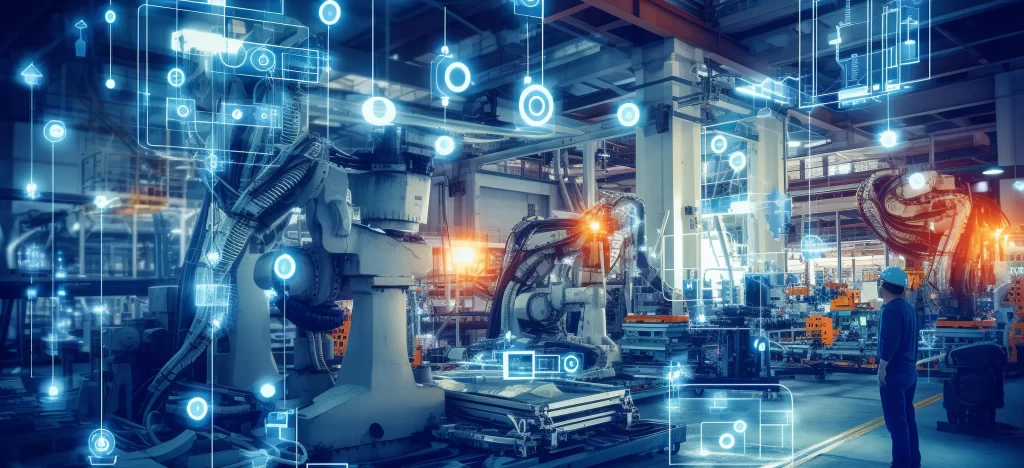
In the age of smart manufacturing and IIoT, real-time data is a necessity. Yet when it comes to adopting a Computerized Maintenance Management System (CMMS), a few persistent myths cause many manufacturers to hesitate. 

Let’s break them down one by one and see how modern CMMS solutions are helping industrial teams move from reactive maintenance to predictive precision.

CMMS Myths Debunked for Smart Manufacturers Img

Myth 1: CMMS Software Is Too Expensive

Many assume CMMS platforms are built only for large enterprises with big budgets. But modern systems like VistrianMMS are designed to scale. With flexible pricing, customizable modules, and subscription options, teams pay only for what they use.

Moreover, while the initial investment may seem daunting, the return on investment (ROI) quickly becomes evident through reduced downtime, extended equipment lifespan, and optimized labor utilization.

CMMS Myths Debunked for Smart Manufacturers Img

Myth 2: CMMS Is Hard to Use

Today’s CMMS platforms are built with intuitive dashboards and real-time alerts that keep technicians and managers in sync.

With the right CMMS technicians can access work orders, checklists, and maintenance logs on one screen, eliminating the need for spreadsheets or clipboards. 

CMMS Myths Debunked for Smart Manufacturers Img

Myth 3: Your Data Isn’t Secure

When maintenance data moved to the cloud, some feared a loss of control. But cloud security has matured. CMMS follows enterprise-grade security protocols with encrypted data, secure backups, and strict access controls, keeping your maintenance data both accessible and safe.

CMMS Is Part of Your Digital Shift

Our smart manufacturing platform, VistrianMMS isn’t just a maintenance log. It’s a predictive, intelligent system that fits right into your digital transformation strategy. Backed by FactoryLOOK and built for IIoT, it brings AI integrated real-time alerts, replaces spreadsheets with digital work orders and catches small issues before they turn into expensive repairs. 

Add foresight to your plant floor and move towards industry 4.0 with Vistrian. 

Industry 4.0: Real-World Applications in Indian Manufacturing Img

Industry 4.0: Real-World Applications in Indian Manufacturing

Introduction

The Indian manufacturing sector is changing, and fast. Manufacturers are adapting to smarter machines and connected systems. This shift is quietly putting India on the map as a competitive hub in the global supply chain. 

Let’s delve into real world applications propelled by Industry 4.0 in India’s manufacturing sector. Discover recent trends and technologies which are shaping the future. 

Inside the modern Indian factory

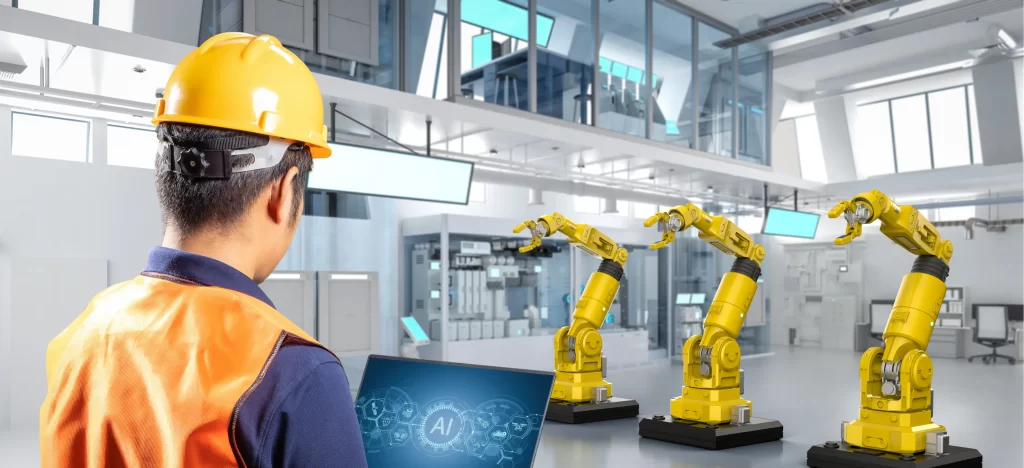
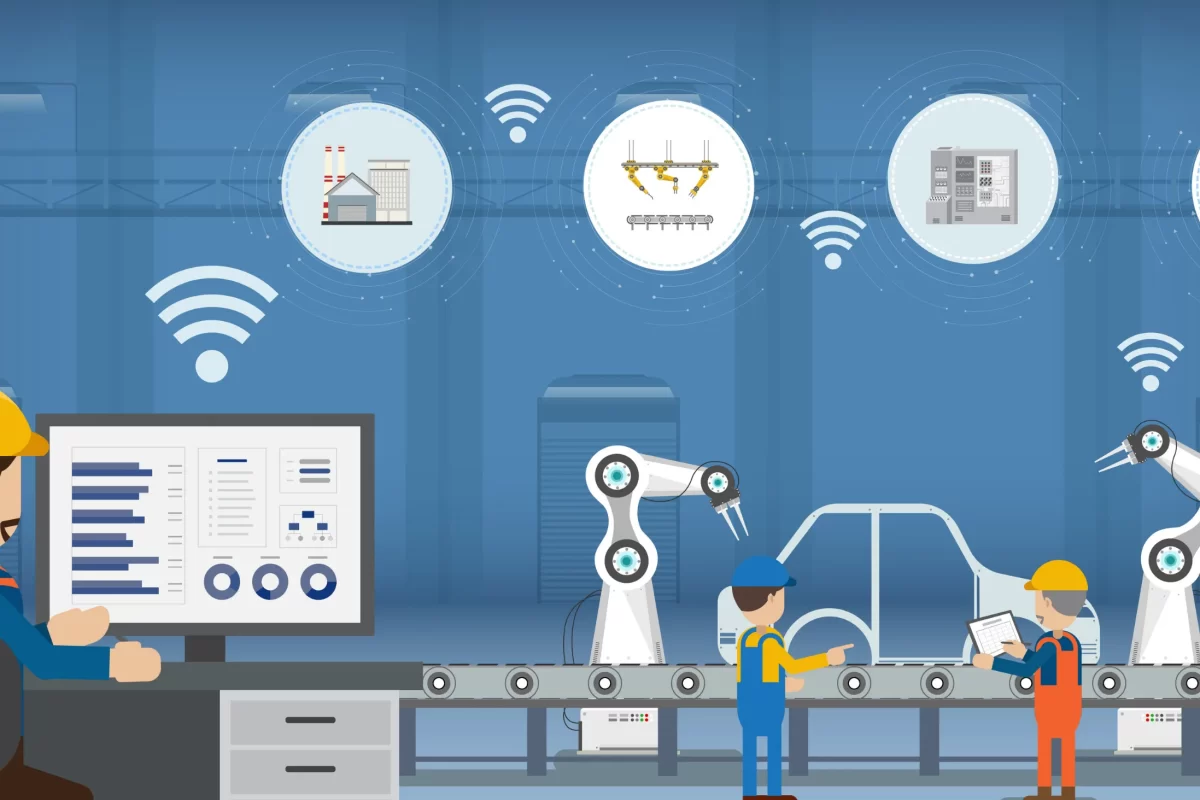
The workings of a modern Indian factory have changed. Industrial IoT (IIoT) networks track every step of production, from raw material intake to final dispatch. Smart manufacturing systems now rely on real-time data to adjust workflows and minimize waste. Machines are equipped with sensors and connectivity, which allow them to act as data points, enabling data analysis using AI algorithms. 

Industry 4.0: Real-World Applications in Indian Manufacturing Img

The technology behind the transformation

Industrial IoT (IIoT) connects machines, devices, and systems across the shop floor, allowing seamless communication and real-time data exchange. Artificial Intelligence (AI) is used to detect patterns, predict equipment failure, and guide quality inspections. 

Smart dashboards ensure that data is processed efficiently. Meanwhile, AI algorithms allow manufacturers to simulate scenarios, test changes, and anticipate issues without disrupting operations.

India’s Industry 4.0 in Action

Across the country, leading manufacturers are already bringing Industry 4.0 principles to life. Tata Steel has adopted Industry 4.0, using IoT sensors and smart dashboards throughout its operations to improve equipment performance and operational transparency. 

Cipla, the pharmaceutical company, has introduced smart manufacturing by integrating AI-powered analytics and Industrial IoT across its production lines. This enables early detection of quality issues and ensures compliance with pharmaceutical regulations. 

Industry 4.0: Real-World Applications in Indian Manufacturing Img

New trends powering the change

Manufacturers are moving toward smarter, more responsive operations. With real-time production data, factories are able to identify bottlenecks early, adjust workflows, and reduce downtime.

Many factories are also investing in AI-driven systems that support quality checks, predictive maintenance, and resource optimization. This helps boost both efficiency and consistency. 

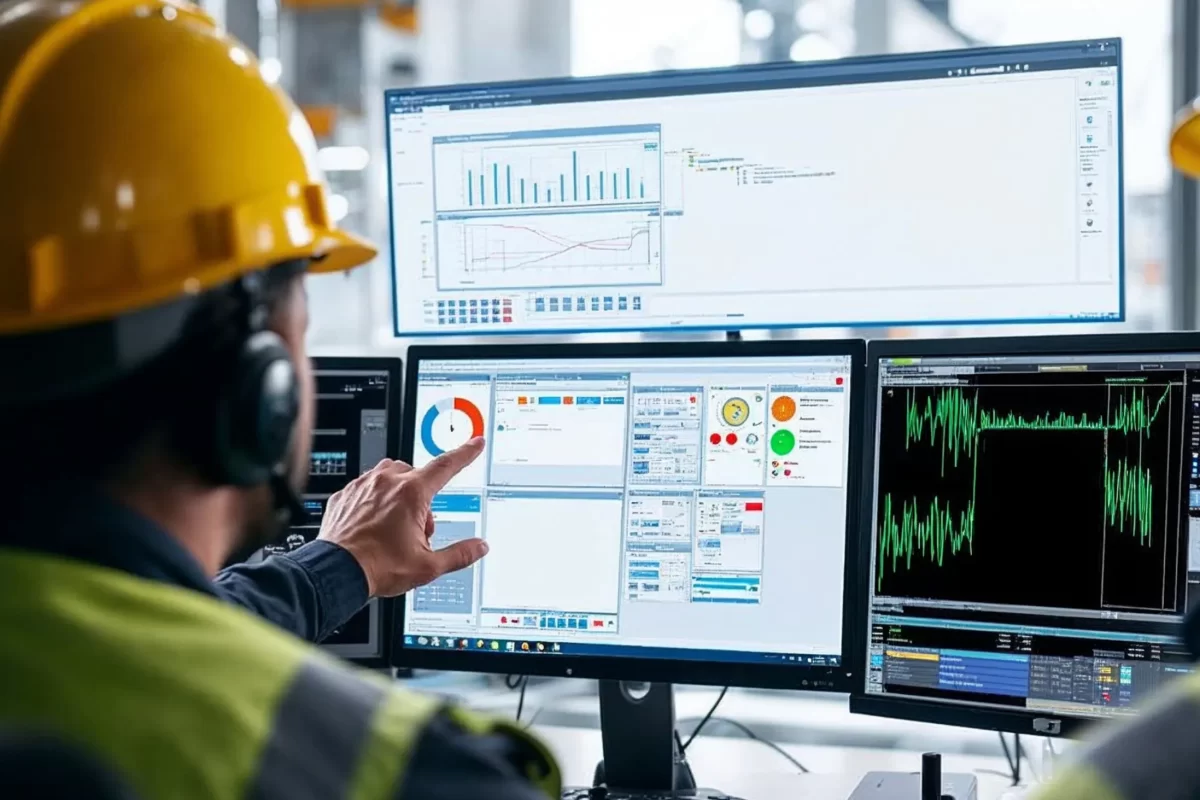
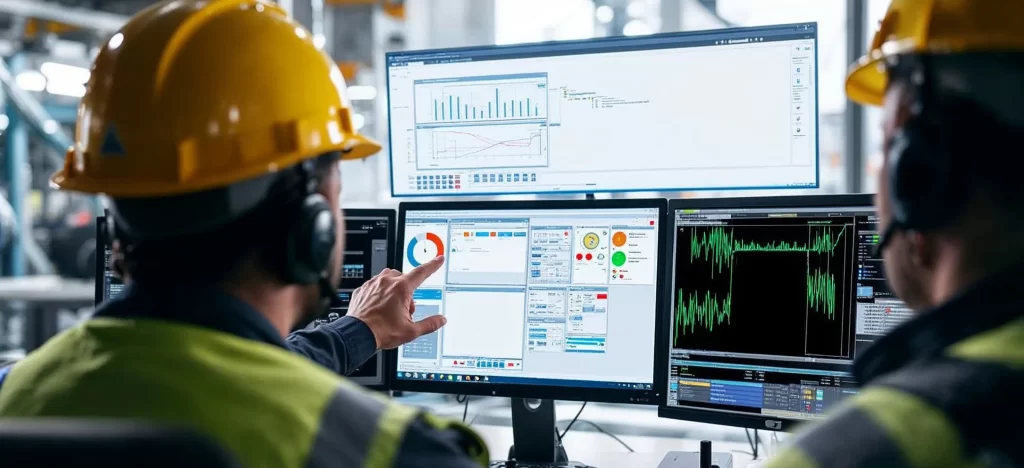
Smart dashboards give manufacturing teams a live view of key production metrics. This visibility helps managers make factual decisions and respond to issues before they escalate.

Industry 4.0: Real-World Applications in Indian Manufacturing Img

Conclusion

With the onset of Industry 4.0, India’s factories are becoming faster, smarter, and more agile. Industrial IoT and AI powered operations are helping manufacturers make quicker decisions, reduce downtime, and improve overall efficiency. The digital transformation has begun, and it’s only gaining pace.

Predictive Analytics with Vistrian: Anticipating Equipment Failures Img

Predictive Analytics with Vistrian: Anticipating Equipment Failures

Introduction

Not all factory problems come with warning signs. A tiny vibration today could lead to a major breakdown tomorrow. Modern factories are evolving into intelligent ecosystems. As industrial operations become smarter, there’s a growing shift from reacting to problems to predicting them. 

In this blog, we dive into how predictive analytics is changing the way factories approach equipment health, leading to safer, and more efficient operations.

What makes predictive analytics work

Rather than responding to problems after they occur, predictive maintenance focuses on identifying early warning signs. This is made possible through a combination of real-time data and intelligent analysis.

Sensors and Industrial IoT (IIoT) devices capture everything from temperature and vibration to pressure, voltage, and runtime cycles. These streams of machine data are fed into cloud computing platforms for secure, long-term storage. 

Smart dashboards make predictive maintenance actionable. They present equipment insights in an organized view, making it easier for teams to monitor performance and catch irregularities. AI algorithms then analyze this data to detect anomalies. 

Predictive Analytics with Vistrian: Anticipating Equipment Failures Img

How smart systems improve performance

Smart factories bring more than just automation. They bring foresight. By using connected systems and real-time insights, manufacturers can plan better and run operations more smoothly.

Predictive maintenance improves overall efficiency. Targeted actions, driven by early alerts, reduce routine maintenance and consumable costs, freeing resources for other priorities.

This approach also enhances product quality, as machines operate under optimal conditions. With fewer unexpected disruptions, manufacturers benefit from more consistent output and longer equipment lifespan.

Predictive Analytics with Vistrian: Anticipating Equipment Failures Img

How Vistrian tools power smart factories

Transforming a factory into a data-driven environment starts with having the right systems in place. Vistrian’s suite of tools supports this transformation by connecting machines, capturing real-time data, and translating it into meaningful action.

FactoryLOOK connects directly with machine controllers and IIoT sensors, enabling continuous data acquisition from key sources. This data is digitized through e-Recording and stored for long-term analysis using a historian system. 

Smart dashboards and reports make this data actionable, allowing operators and managers to monitor factory activity in real time and track key performance metrics.

Vistrian’s MMS streamlines maintenance through automated work orders, structured checklists, TPM tracking, and calibration management. FMS extends this control across the facility, managing preventive schedules, spare parts, and high-value components. With features like inventory tracking and stakeholder reporting, it ensures that critical resources are always available when needed.

Predictive Analytics with Vistrian: Anticipating Equipment Failures Img

Conclusion

As factories grow smarter, predictive analytics is becoming essential to modern operations. By leveraging real-time data and connected systems, manufacturers can boost uptime, improve efficiency, and build long-term reliability.

Which is the best CMMS for industrial factories? Img

Which is the best CMMS for any factory?

Introduction

In a factory where visibility is the difference between smooth operations and missed output, keeping track of every machine and process is a necessity.

With the right CMMS in place, manufacturers can monitor every floor and every asset in real time. Instead of reacting to problems, teams can act with foresight. Predictive insights, live alerts, and machine-level visibility help prevent bottlenecks before they start.

Let’s explore how right industrial CMMS can make factory monitoring smarter, faster, and more precise.

Why is CMMS important for manufacturers?

CMMS acts like the maintenance command center of your factory. It connects assets, technicians, and data to keep operations running reliably.

For manufacturers, that means:

  • Fewer unexpected breakdowns
  • Faster repairs with clear work orders
  • Better tracking of spare parts and tools
  • Longer machine life
  • Accurate maintenance logs and audit readiness

Whether you’re managing a single site or a network of factories, a CMMS ensures your maintenance team stays one step ahead.

Which is the best CMMS for industrial factories? Img

What are the key benefits of using a CMMS?

A well-designed CMMS improves productivity and reduces costs. Here’s what you can expect:

  • Real-time asset tracking: Know where your machines are, what condition they’re in, and what they need.
  • Fewer manual errors: Replace spreadsheets with digital work orders, checklists, and history logs.
  • Improved uptime: Automate preventive maintenance to avoid surprises and reduce downtime.
  • Lower maintenance costs: Catch small issues before they turn into expensive repairs.
  • Increased technician efficiency: Assign, prioritize, and complete jobs faster with mobile access.
Which is the best CMMS for industrial factories? Img

Your Factory’s Maintenance Brain

VistrianMMS is built for the scale and complexity of any factory. It connects directly to your machines, tracks asset conditions in real time, and enables smart scheduling based on actual equipment behavior. 

Whether you’re managing hundreds of machines or multiple plants, VistrianMMS brings order, clarity, and control to every maintenance task.

When integrated with FactoryLOOK, Vistrian’s real-time factory intelligence platform, the result is a maintenance ecosystem that sees more and knows more.

Want your maintenance to run on foresight? Step into the future of industrial operations with Vistrian! 

Which is the best CMMS for industrial factories? Img