VistrianMMS vs UpKeep: Which CMMS Works for Scale? Img

VistrianMMS vs UpKeep: Which CMMS Works for Scale?

Introduction

In the Industry 4.0, maintenance is about predicting what could go wrong and preventing it before-hand.

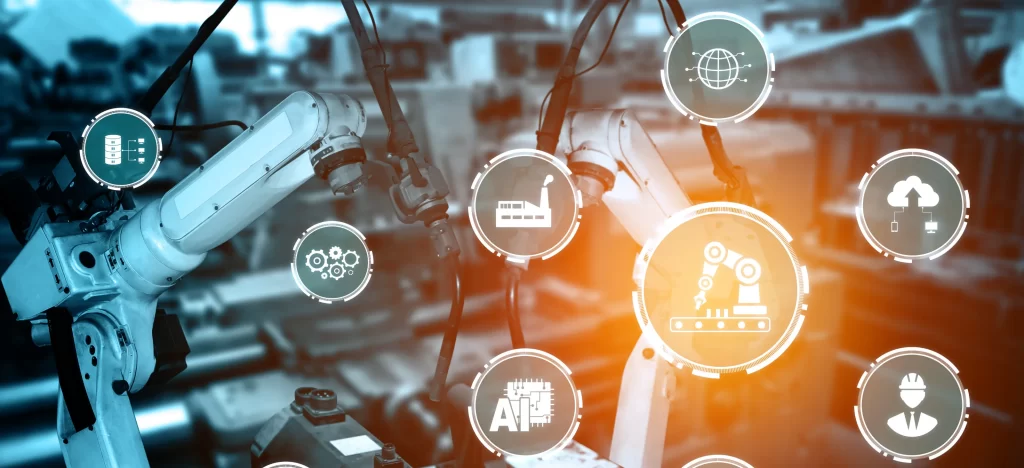
Modern Computerized Maintenance Management Systems (CMMS) are redefining how manufacturers manage assets, prevent downtime, and maintain productivity across facilities. But not all CMMS platforms are built the same.

Let’s deep dive into two effective industrial softwares, VistrianMMS and UpKeep to help you decide which platform is better suited for large-scale, data-intensive operations.

While both offer powerful features, their architecture, flexibility, and depth of IIoT integration vary greatly. 

VistrianMMS vs UpKeep: Which CMMS Works for Scale? Img

Scalability Across Multi-Site Operations

VistrianMMS keeps an eye on every corner. 

  • Designed for enterprise-wide deployment, across multiple plants
  • Centralized dashboards with local autonomy for scheduling and reporting
  • Ideal for large manufacturers with a focus on total operational visibility

UpKeep fits right in your technician’s pocket.

  • Scalable across sites, but complex workflows may require tier upgrades
  • Offline support on mobile, ideal for field-based technicians
  • Best for mid-sized teams looking for usability over customization
VistrianMMS vs UpKeep: Which CMMS Works for Scale? Img

Maintenance Intelligence & Usability

VistrianMMS does multitasking. 

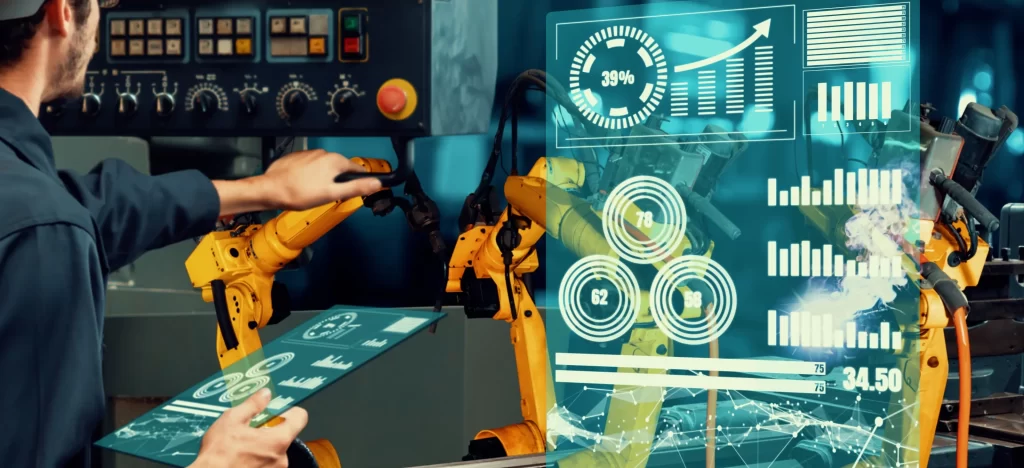
  • Focused on predictive analytics, root-cause analysis, and real-time anomaly detection
  • Provides deep maintenance insights based on live equipment behaviour
  • Embedded within the FactoryLOOK ecosystem for complete context visibility
  • Built for maintenance managers who want depth, without toggling between platforms

UpKeep keeps it simple. 

  • Offers work order automation, inventory management, and mobile dashboards
  • AI suggestions and predictive triggers are available in higher subscription tiers
  • Popular for its intuitive UI and ease of onboarding
  • Appeals to field service and facility maintenance teams more than heavy manufacturing

Speed vs Depth: What’s Right for You?

Choosing between VistrianMMS vs UpKeep boils down to your maintenance maturity and scale of operations.

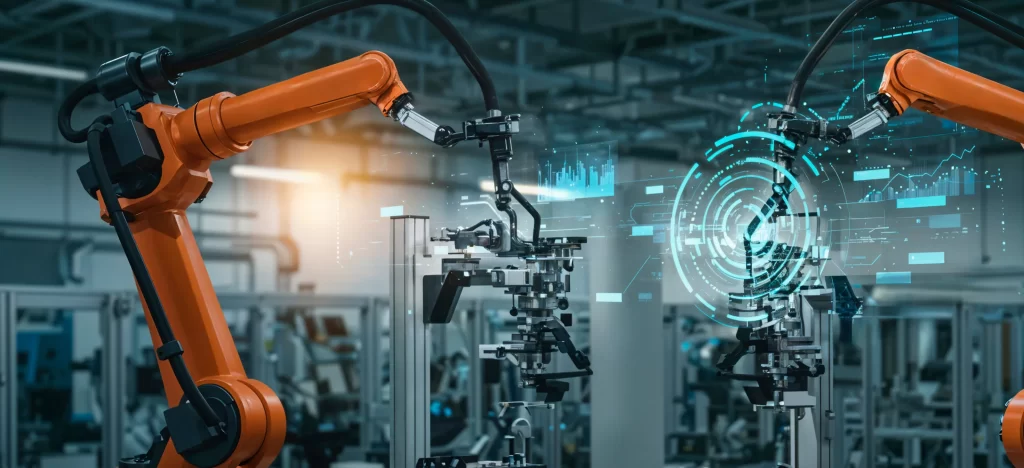
VistrianMMS is ideal if you need deep, real-time integration with shop-floor machines, predictive insights, and centralized visibility across large facilities.

UpKeep is better suited for teams looking for mobile-first tools, simple work order management, and gradual expansion into IIoT-based maintenance.

If your factory is growing fast, operating at scale, and needs tight coordination between machines, maintenance, and data, VistrianMMS offers a more integrated, future-ready platform.

VistrianMMS vs UpKeep: Which CMMS Works for Scale? Img

Get a Bird-eye View of Your Factory

For smart, scalable maintenance that sees ahead, VistrianMMS brings precision to every machine and process.
Step into the next industrial revolution with VistrianMMS. 

What is a Manufacturing Execution System (MES) and why do you need one? Img

What is a Manufacturing Execution System (MES) and why do you need one?

Introduction

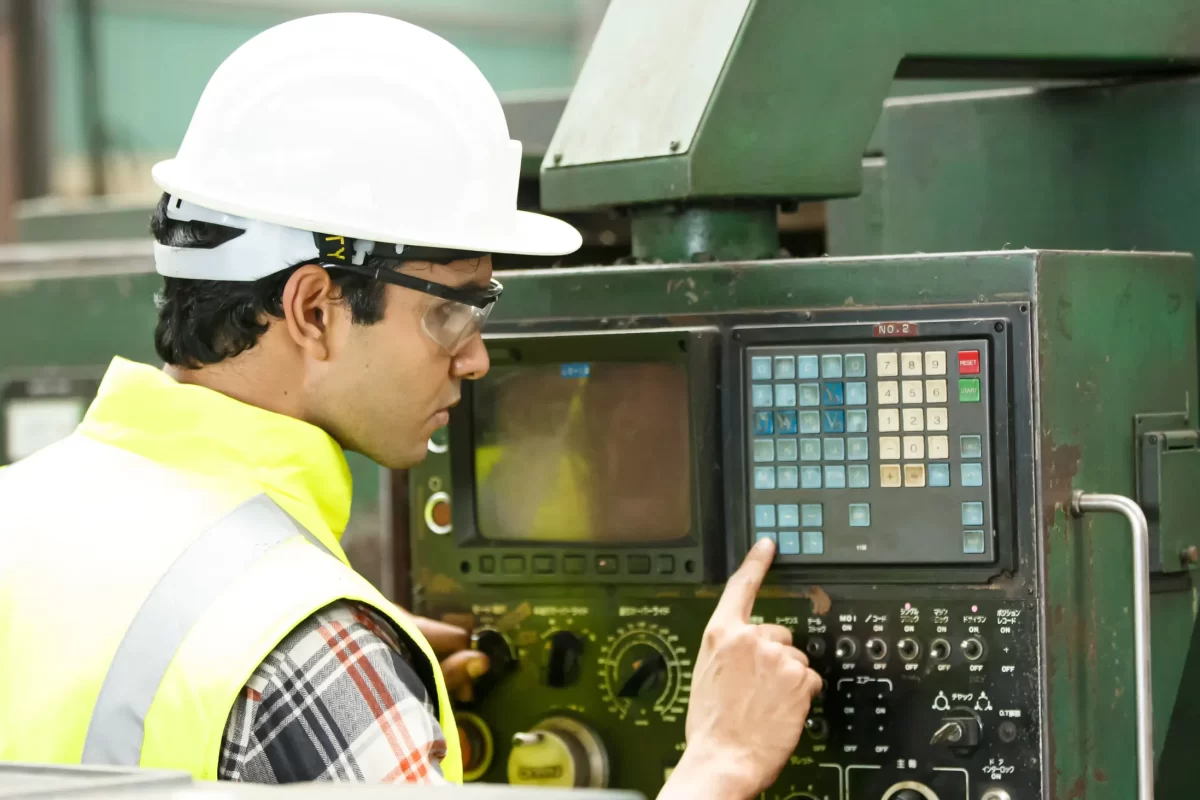
Imagine you’re running a factory with machines, people, and products moving from one step to the next without any supervision. Now imagine a system that watches everything happening on the factory floor in real time. That’s what an MES does.

A Manufacturing Execution System (MES) is software that helps you manage, track, and control everything that happens during production. 

Why is MES important for manufacturers?

MES acts like the central nervous system of a factory. It connects machines, people, and data to help operations run smarter, faster, and with fewer surprises.

For manufacturers, that means:

  • Better coordination between teams
  • Faster response to production issues
  • More predictable maintenance 
  • Fewer delays and rework
  • Real-time visibility into performance metrics

Whether you’re running a high-volume plant or managing complex assemblies, an MES gives you the clarity needed to reduce waste, improve quality, and maximize uptime; especially when paired with predictive maintenance tools.

What is a Manufacturing Execution System (MES) and why do you need one? Img

What are the key benefits of using an MES?

A well-implemented MES delivers real and measurable results. Here’s what you can expect:

  • Improved product tracking and genealogy: Know exactly where each part comes from and where it goes.
  • Fewer manual errors: Replace spreadsheets and paper trails with real-time digital records.
  • Increased uptime: Feed MES data into predictive maintenance platforms like FactoryLOOK for early warning and fewer breakdowns.
  • Lower costs: Optimize material use, reduce scrap, and keep production moving.

When combined with IIoT benefits, MES becomes a foundation for continuous improvement and operational excellence.

What is a Manufacturing Execution System (MES) and why do you need one? Img

What is the difference between MES and ERP?

People often confuse MES with ERP, but in reality, they do very different things.

  • ERP (Enterprise Resource Planning) handles business-wide functions like HR, finance, procurement, and supply chain planning. It tells you what to make and when.
  • MES, on the other hand, operates on the shop floor. It tells you what’s actually happening and helps you fix it when things go off track.
What is a Manufacturing Execution System (MES) and why do you need one? Img

Your Factory’s Brain

MES connects machines, people, and processes in one unified system. It tracks production as it happens, highlights deviations, and keeps your team informed with real-time insights. Give your factory a new brain by visiting vistrian.com

FactoryLOOK vs ThingWorx: Which Is Better for Real-Time Visibility? Img

FactoryLOOK vs ThingWorx: Which Is Better for Real-Time Visibility?

Introduction

In the age of smart manufacturing, are you keeping an eye on your machines?  

Today’s factories run on real-time data, where every second matters and every delay costs. To stay competitive, manufacturers need insights that are clear, immediate, and actionable.

Two platforms leading the race for visibility on the shop floor are FactoryLOOK by Vistrian and ThingWorx by PTC. While both promise real-time monitoring, their approach, usability, and fit for modern manufacturing vary widely.

This MES comparison breaks down the key differences between FactoryLOOK vs ThingWorx to help you identify which platform gives you the edge in speed, setup, and shop-floor focus.

FactoryLOOK vs ThingWorx: Which Is Better for Real-Time Visibility? Img

1. Ease of Use

One of the most important aspects of any industrial software is how quickly it can be adopted by the people who use it daily; mostly operators, line managers, and floor supervisors.

UsabilityFactoryLOOKThingWorx
Dashboard setupReady-to-use; no development neededRequires custom build
User interfaceSimple and intuitive for non-technical teamsFlexible but more complex
IT dependencyMinimal; can run without IT supportHigh; developer involvement required
Best forQuick adoption across shiftsEnterprises with dedicated technical teams

2. Setup Time

Every day lost in setup is a day without actionable data and in manufacturing, that can translate to lost revenue. Shorter deployment times mean faster visibility and quicker impact on productivity. Here’s how FactoryLOOK and ThingWorx compare when it comes to going live.

Setup TimeFactoryLOOKThingWorx
Deployment speedDays to deployWeeks to months
Installation complexitySimple, no heavy configurationsComplex, requires multiple configurations
Pre-built featuresYes; ready for immediate useNo; most features need custom development
Ideal forTeams needing instant visibilityLarge projects with long lead times

3. Factory-First Focus

Not all industrial visibility tools think like a manufacturer. A factory-first approach prioritizes real-time machine health, uptime, and production metrics that directly affect shift performance. This is where the design philosophy of each platform becomes clear.

Focus AreasFactoryLOOKThingWorx
Core designBuilt specifically for manufacturingBuilt for broad industrial use
KPI focusShop-floor productivity and responsivenessGeneral industrial and cross-sector metrics
Real-time insightsTailored to manufacturing eventsVariable; not always shop-floor focused
Best fitDiscrete manufacturing plantsMulti-industry digital transformation projects
FactoryLOOK vs ThingWorx: Which Is Better for Real-Time Visibility? Img

Speed vs Flexibility

When it comes to real-time visibility, the right solution depends on your operational maturity, team structure, and goals.

FactoryLOOK is ideal for manufacturers who want clarity without complexity. It simplifies smart manufacturing with speed, ease of use, and immediate insights tailored for shop-floor teams.

ThingWorx shines in highly customized, multi-industry scenarios, but it requires technical depth and longer setup times, making it a better fit for enterprises with advanced IT resources.

FactoryLOOK vs ThingWorx: Which Is Better for Real-Time Visibility? Img

Choice is Simple

If your factory needs hassle-free software that delivers real-time insights, without relying on a developer, FactoryLOOK makes the decision easy. Visit our website to explore how it can transform your shop floor.

Advanced Dashboards: Visualising Manufacturing Performance Img

Advanced Dashboards: Visualising Manufacturing Performance

Introduction

In a factory where seconds matter and downtime can derail entire schedules, manufacturers need more than raw data. They need visibility. Advanced dashboards are transforming how operations teams interpret and act on real-time data. By unifying streams of information from the shop floor, these dashboards deliver clarity, speed, and confidence in decision-making.

Let’s dive into how advanced dashboards are redefining factory performance.

Advanced Dashboards: Visualising Manufacturing Performance Img

Keep Your Eyes Everywhere

Advanced dashboards are interactive visual interfaces that integrate real-time data from various sources across the factory. These dashboards help operators, engineers, and decision-makers track machine health, throughput, downtime, and process deviations instantly, turning manual manufacturing into smart manufacturing.

The Power of Analytics and FMS

Dashboards go beyond data visualization. Using embedded algorithms, they transform raw inputs into performance benchmarks, trend analyses, and predictive insights. Integrated with FMS (Factory Management Systems), they enable end-to-end oversight from the production floor to the executive suite.

For example, a dashboard highlights machine downtime trends, drill down into root causes, and suggest maintenance actions: all within a few clicks.

Advanced Dashboards: Visualising Manufacturing Performance Img

FactoryLOOK Features: A Closer Look

FactoryLOOK stands out among manufacturing software with its intuitive UI and customizable dashboard widgets. Key features include:

  • Live visualization of equipment status and utilization
  • Predictive maintenance alerts based on historical patterns
  • Interactive reports for shift performance and asset efficiency
  • Seamless integration with existing MES and ERP systems

VistrianMMS: Beyond Monitoring

While FactoryLOOK focuses on visual intelligence, VistrianMMS takes operational control further by incorporating workflow triggers, escalation protocols, and root cause analysis.

Together, these Vistrian solutions offer a full-stack view of plant performance, unlocking the IIoT benefits of visibility, clarity, and unnecessary cost efficiency.

Advanced Dashboards: Visualising Manufacturing Performance Img

Conclusion

Advanced dashboards have eyes on every floor. By harnessing real-time data, predictive maintenance, and integrated systems like FactoryLOOK and VistrianMMS, manufacturers can stay agile, reduce downtime, and lead with confidence towards Industry 4.0.