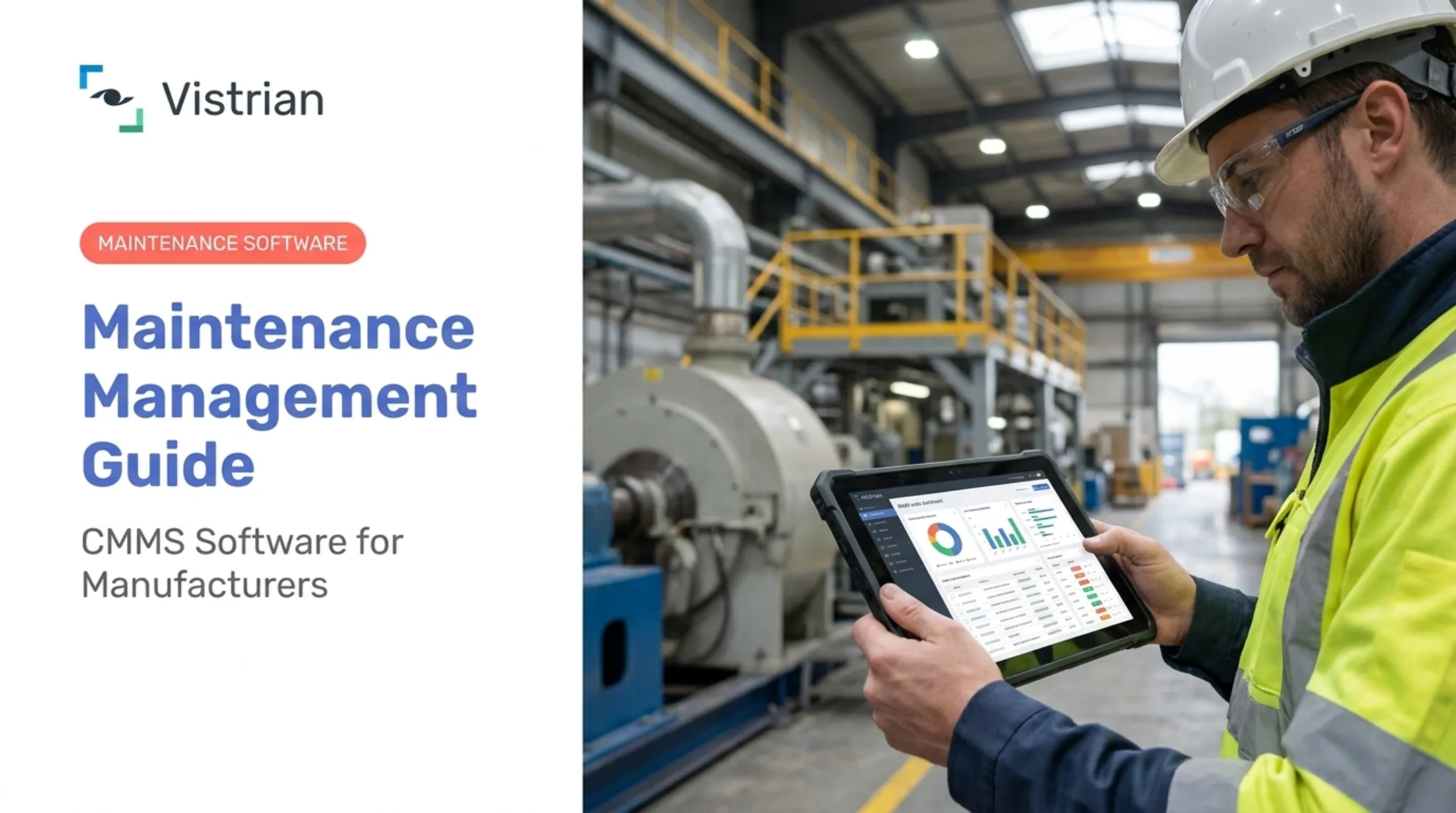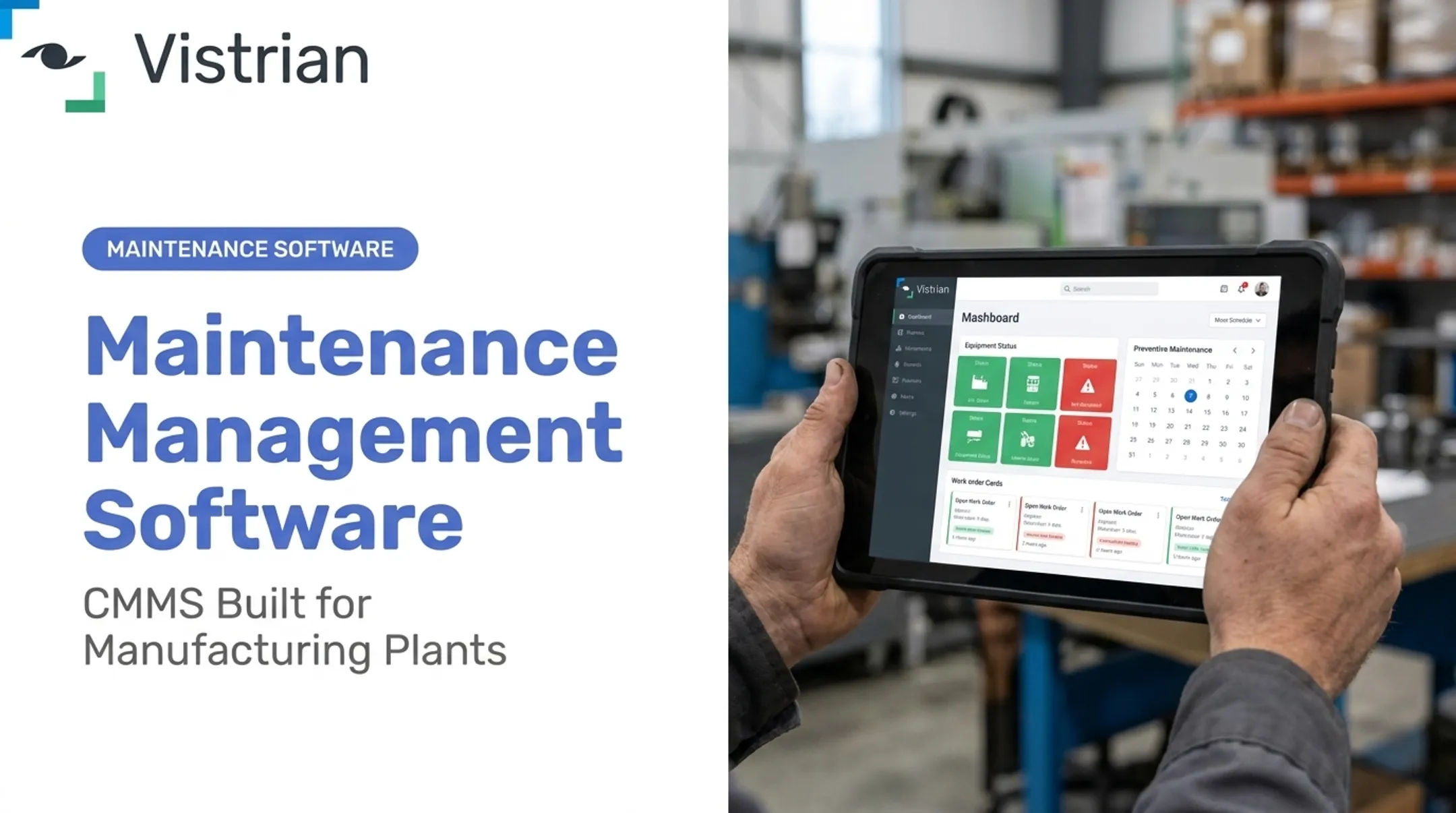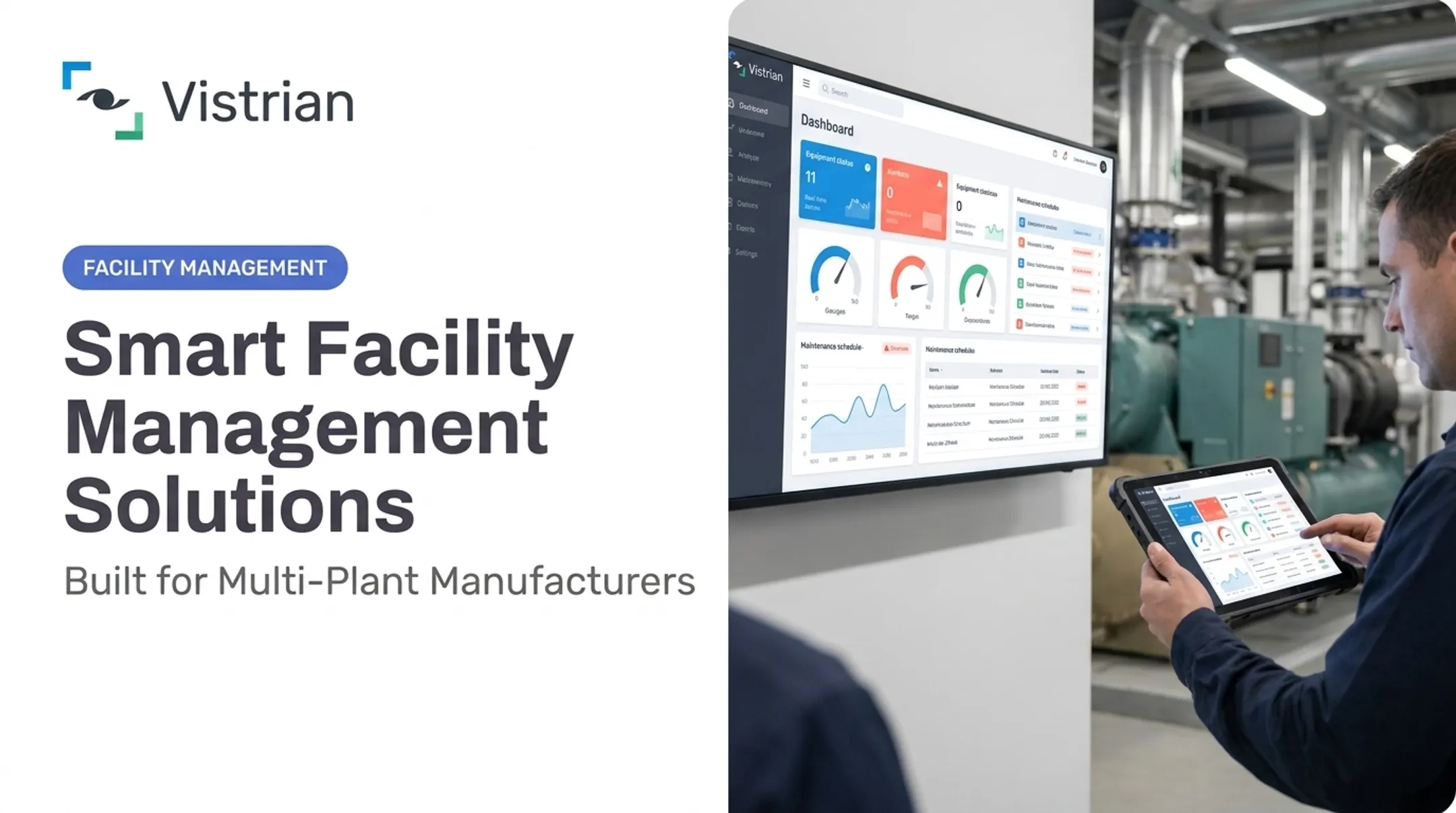

Introduction: What Is Facility Maintenance Management?
A safe, reliable facility runs on more than quick fixes when something breaks. It depends on coordinated management of assets, people, schedules, budgets, and records.
Many maintenance teams still struggle with fragmented information: paper requests, disconnected spreadsheets, and asset histories that live in someone's inbox. That gap creates missed inspections, longer downtime, and rising repair costs.
Facility maintenance management (FMM) is the organized approach that solves this. It's the system of planning, executing, and tracking every maintenance activity across a building or campus.
This article breaks down what FMM covers, how the workflow operates day to day, which maintenance strategies fit different operational needs, and how technology like CMMS platforms centralizes the whole process.
Key Takeaways
- FMM organizes maintenance across buildings, equipment, infrastructure, grounds, and facility systems.
- Strong programs blend work orders with preventive planning, compliance, budgeting, and vendor coordination.
- The payoff: safer facilities, fewer disruptions, longer asset life, and predictable costs.
- CMMS, FMS, and IoT platforms centralize data for faster, better-informed decisions.
What Is Facility Maintenance Management?
FMM is the planning, organization, execution, documentation, and continuous improvement of maintenance activities across one facility or an entire portfolio. It is the operational engine that keeps buildings functional, safe, and cost-efficient.
FMM vs. Facilities Management
These terms get used interchangeably, but they're not the same thing.
- Facility maintenance keeps physical assets and systems functional, safe, and compliant.
- Facilities management is broader: maintenance plus space planning, workplace strategy, real estate, security, and occupancy management. IFMA defines facilities management as the integration of people, place, and process within the built environment to improve quality of life and support core business productivity. Maintenance is one critical piece of that larger picture—planning, evaluating, and maintaining building systems.
What Falls Under FMM
A typical FMM scope covers:
- HVAC, electrical, and plumbing systems
- Lighting and fire protection equipment
- Elevators, roofs, and structural elements
- Grounds and security systems
- Production-support equipment tied to facility operations
Who's Involved
FMM isn't a one-person job. It typically involves:
- Facility managers and maintenance technicians
- Operations leaders, contractors, and vendors
- Finance, safety, and IT teams who support budgets, compliance, and the software stack Strong FMM ties maintenance work to clear business outcomes:
- Workplace safety and regulatory compliance
- Energy efficiency and asset reliability
- Occupant comfort and protection of capital investments Skip that coordination and the reverse shows up fast: more downtime, higher emergency-repair spend, and shorter asset lifespans.
How Does Facility Maintenance Management Work?
FMM follows a repeatable workflow, whether you're managing one building or fifty.
- Identify the need - A work request, scheduled inspection, or sensor alert flags an issue.
- Assess criticality - Determine how the asset or system affects safety, compliance, and operations.
- Create and prioritize the work order - Open the work order and rank it by safety risk, compliance need, and operational impact.
- Assign labor and materials - Match the right technician or vendor with the parts they need.
- Complete the task - Perform the repair, inspection, or preventive service.
- Document findings - Record what was done, parts used, and any follow-up needed.
- Verify and review - Confirm the fix worked and feed the data into performance reporting.

That workflow only holds up when every asset is documented. The register is the foundation the steps above depend on.
Building the Asset Register
Every effective FMM program starts with an asset register: a living record of each piece of equipment. Typical fields include:
- Location and specifications
- Service history and warranty status
- Manuals and known risks
- Maintenance requirements
Without this foundation, prioritization and planning become guesswork.
Prioritizing the Right Way
Work orders shouldn't be handled first-in, first-out. Prioritization should weigh:
- Safety risk
- Regulatory requirements
- Business impact and occupant disruption
- Asset criticality
- Likelihood the issue escalates if ignored
The Leader's Role
A facility or maintenance manager owns the operating system behind the work:
- Sets service standards and approves budgets
- Coordinates internal teams and outside contractors
- Reviews completed work for quality
- Maintains documentation and reports results up the chain
VistrianMMS supports that role by centralizing work orders, equipment data, and team workflows in one live system instead of scattered spreadsheets and paper logs.
Types of Facility Maintenance and Their Business Benefits
Most facility programs blend four maintenance approaches. Each fits different assets, risk levels, and cost profiles—and the mix you choose shapes uptime, spend, and compliance exposure.
| Maintenance Type | What It Involves | Best Fit |
|---|---|---|
| Preventive | Scheduled inspections, cleaning, lubrication, calibration, filter changes | Predictable-wear assets with manufacturer service guidance |
| Corrective/Reactive | Planned repairs for known defects, or emergency fixes after breakdown | Low-criticality assets; should be minimized elsewhere |
| Predictive | Sensor data, vibration, temperature, and runtime analytics flag issues early | High-value or high-risk equipment |
| Compliance & Safety | Fire systems, electrical safety, permits, inspections | Cross-cutting, required across all facility types |
Preventive Maintenance Pays Off
Preventive schedules should reflect manufacturer guidance, usage intensity, and asset criticality—not a generic calendar. The Department of Energy's Operations & Maintenance Best Practices Guide cites historical estimates of 12% to 18% cost savings from preventive maintenance compared with reactive-only programs, with predictive maintenance adding another 8% to 12% in savings on top of that.
Business gains from a solid preventive program include:
- Fewer surprise failures and more stable production schedules
- Lower repair costs versus emergency callouts
- Longer asset life when service follows real usage and criticality
Predictive Maintenance Protects High-Value Assets
Predictive work uses sensor data—vibration, temperature, runtime—to flag degradation before failure. It fits high-value or high-risk equipment where unplanned downtime is expensive. Done well, it concentrates labor on assets that actually need attention and supports the extra 8% to 12% savings noted above.

Why Reactive-Heavy Programs Struggle
Leaning too hard on breakdown response increases operational uncertainty. You lose the ability to plan labor, budget accurately, or schedule shutdowns on your own terms.
Emergency repairs typically cost more than planned ones, and they pull technicians away from proactive work. Keep reactive response for low-criticality assets; minimize it everywhere else.
Compliance Can't Be an Afterthought
Fire protection systems fall under NFPA 25, which sets the baseline for inspecting, testing, and maintaining water-based fire-protection systems. Electrical safety, lockout/tagout, and refrigerant handling add their own requirements that teams must track with routine maintenance.
Treating compliance as a scheduled workstream—not a scramble—reduces fine and liability risk and keeps critical systems audit-ready without last-minute downtime.
Common Challenges in Facility Maintenance Management
Even well-intentioned programs run into predictable obstacles.
Information gaps. Fragmented records, paper requests, and disconnected contractor communication cause missed tasks and poor handoffs between shifts.
Resource constraints. Aging infrastructure, tight budgets, and parts availability drive missed work and higher reactive load, especially across multi-site portfolios.
Staffing shortages. An IFMA FMJ report on the FM labor shortage found more than 68% of US facility operators and technicians were over age 45, with 21% working past typical retirement age. Fewer new technicians are entering the field to replace them.
Practical Responses
Most of these issues ease when teams standardize a few operating habits:
- Establish and document asset criticality upfront
- Standardize work-order and inspection procedures across sites
- Preserve service history instead of losing it in turnover
- Train staff on both procedures and any software in use
- Track KPIs: schedule compliance, response time, backlog age, planned-vs-reactive ratio, repeat failures, and cost by asset
Technology's Role in Modern FMM
Manual tracking simply can't keep up with the volume of data modern facilities generate.
CMMS and facility management software put asset records, service requests, work orders, preventive schedules, inventory, vendors, and reporting in one system. As IFMA notes, that means assets, work orders, and preventive work are managed automatically—not from memory or paper.
Mobile Access and Real-Time Data
Mobile-enabled platforms let technicians receive assignments, update work orders, and log findings from the field instead of returning to a desk. Paired with IoT sensors monitoring temperature, vibration, or runtime, teams get a near-real-time view of equipment health rather than waiting for the next scheduled inspection.
For campus and multi-site operations, VistrianFMS brings facility assets, service scheduling, vendor management, and stakeholder dashboards into one platform. When manufacturing equipment is in the mix, VistrianMMS—part of Vistrian's Maintenance Suite—covers work orders, preventive maintenance, spare parts, and calibration the same way.
Choosing the Right Platform
When evaluating FMM software, weigh:
- Ease of use and mobile capability
- Asset hierarchy and preventive-maintenance functionality
- Workflow configuration and reporting depth
- Permission controls and integration options
- Scalability across multiple sites
- Data security and total cost of ownership
How to Build an Effective FMM Program
Building an FMM program from scratch, or fixing a broken one, follows a similar path.
- Start with a baseline assessment. Document building conditions, existing asset records, compliance obligations, staffing, vendors, and current maintenance spend.
- Set measurable objectives. Examples include improving preventive-maintenance completion rates, reducing overdue work, or cutting repeat failures.
- Standardize procedures. Cover request intake, triage, approval steps, safety controls, closeout documentation, and escalation paths.
- Roll out in stages. Clean your asset data first, pilot the process in one building or area, train users, measure results, then expand.
- Hold regular review meetings. Combine operational feedback with KPI trends, root-cause analysis, budget performance, and contractor results.

Skipping the baseline step is the most common mistake. Without clean asset data, even the best software or process struggles to deliver accurate results.
Frequently Asked Questions
What is the role of facilities maintenance?
Facilities maintenance keeps buildings, infrastructure, equipment, and supporting systems safe, functional, compliant, and available for an organization's core activities. It protects both occupant safety and capital investment.
What is better, CFM or FMP?
CFM and FMP serve different needs. FMP is a foundational, no-prerequisite credential, while CFM requires work experience and an exam. Check current IFMA eligibility requirements to determine which fits your career stage.
What is the difference between facility maintenance and facilities management?
Facility maintenance keeps physical assets and systems functional and safe. Facilities management is broader, covering space planning, workplace strategy, security, and occupancy alongside maintenance.
What does a facility maintenance management system do?
It centralizes asset records, service requests, work orders, preventive schedules, inspections, inventory, vendor coordination, and reporting into one system, replacing paper and spreadsheets.
Which maintenance strategy is best for facility assets?
No single strategy works alone. Effective programs combine preventive, corrective, reactive, and predictive maintenance based on each asset's criticality, risk, and cost profile.